Guide
How Long Do Nootropics Take to Work? What the Trials Measured
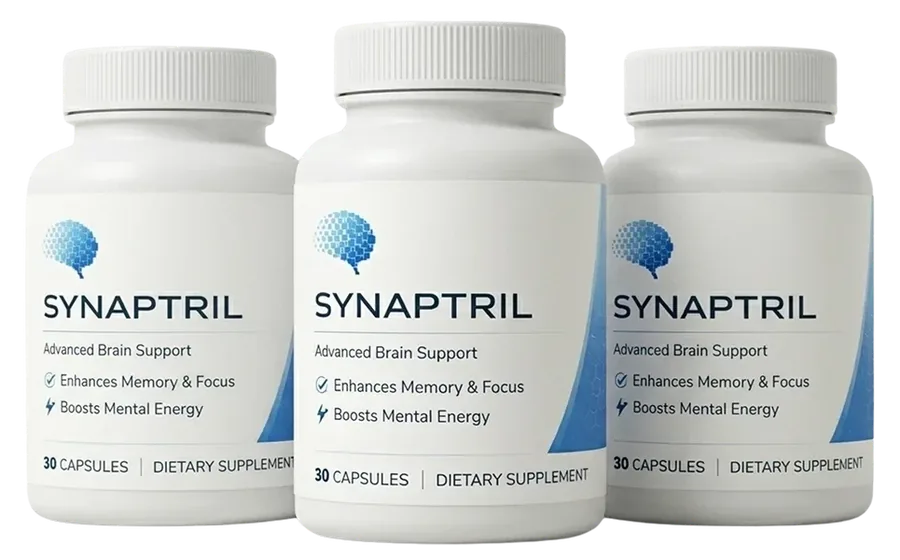
How long do nootropics take to work has no single answer, and for Synaptril no trial has measured any timeline at all. The studies behind its ingredients ran for months: 24 to 52 weeks for carnitine reviews and 18 months for one curcumin pilot. Ads that promise a change within days describe something those studies never tested.
Written by the Synaptril label deskUpdated
The short answer01
How long do nootropics take to work?
Nootropics take as long as the study says, and for most memory products there is no study. "Nootropic" is a sales word, so it covers fast-acting stimulants and slow-burn blends alike. The label word gives no clock.
Memory research runs on a slow clock. Trials of the ingredients in Synaptril were measured in months and years, not days.
So the honest starting point is patience plus doubt. Even a long trial with a positive result tells you about one form and one dose, not about every product that lists the same name.
This capsule02
How long does Synaptril take to work?
No one knows how long Synaptril takes to work, because no trial has tested it. There is no published study of the capsule, so there is no onset time, no week-by-week curve and no point where results are expected.
The label says only "take one (1) capsule daily". It gives no time frame. The sales page offers a 60-day money-back window, which is a refund rule, not a result date (Synaptril sales page).
What to expect day by day, from the first bottle to the refund deadline, is laid out on Synaptril results and timeline.
Trial lengths03
How long did the ingredient studies last?
The ingredient studies lasted from 10 weeks to 18 months, and the multivitamin trial added for scale ran 2 years. The longer ones were built to catch slow change in memory tests, and several still found nothing.
None tested Synaptril. Several tested a different form or a much larger dose than one capsule likely holds.
| Study | Length | What was given | Result |
|---|---|---|---|
| Curcumin pilot, 40 adults aged 51-84 (Small et al. 2018, curcumin and memory) | 18 months | Theracurmin, 90 mg curcumin twice daily | Verbal memory and attention scores rose; small pilot |
| Curcumin trial, 96 healthy older adults (NCCIH Clinical Digest, cognition) | 12 months | Curcumin | Limited effects on thinking |
| Curcumin pilot in Alzheimer's (MSKCC, Turmeric) | 6 months | Curcumin vs placebo | No benefit |
| Cochrane review, 16 trials (Cochrane, acetyl-L-carnitine for dementia) | Results read at 24 weeks | Acetyl-L-carnitine | No benefit on thinking or daily function |
| NIH summary of the Cochrane data (NIH ODS, Carnitine) | 52 weeks | Acetyl-L-carnitine; cognition studies used 1.5-3 g a day | No benefit at 52 weeks |
| Lipoic acid, HIV-linked thinking problems (Linus Pauling Institute, Lipoic Acid) | 10 weeks | 1,200 mg a day | No benefit |
| COSMOS, 573 adults 60+ (COSMOS multivitamin cognition, 2024) | 2 years | A standard multivitamin, not Synaptril's ingredients | A small memory effect |
Days vs weeks04
Do nootropics work in days or in weeks?
For memory, the research points to months, not days. The trials above checked people after 24 weeks, 52 weeks, 18 months or 2 years. None of them reported a change after a few days.
Synaptril's label lists no stimulant, so a quick lift on day one is not something the formula suggests. A feeling of change in the first week can come from better sleep, less stress or simply expecting it.
That last point matters. Good trials include a placebo group for exactly this reason: people often feel different when they start any new routine.
Why it does not carry over05
Why can't trial timelines be applied to Synaptril?
Trial timelines cannot be applied to Synaptril because the form, the dose and the people all differ. A timeline belongs to the exact product that was tested.
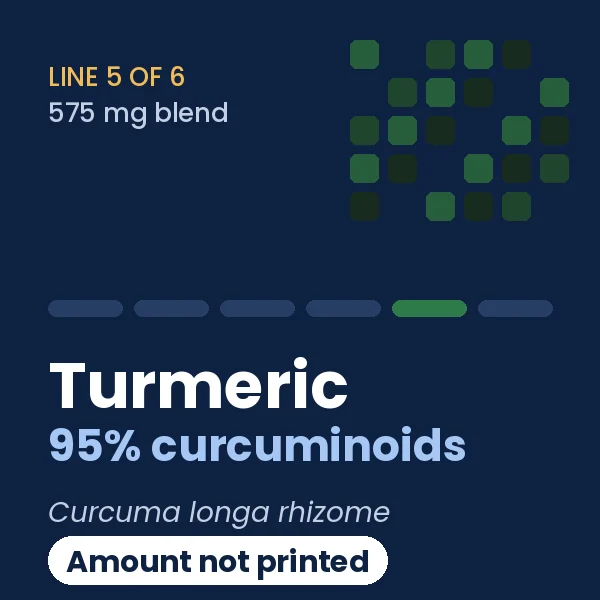
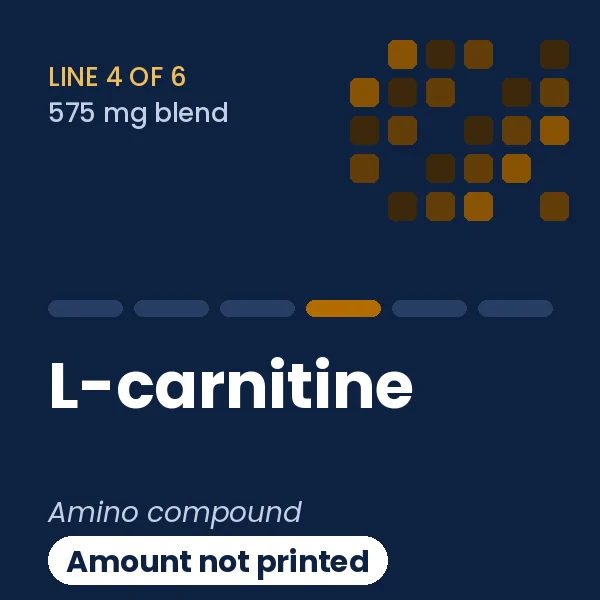
The dose gap is large. Our estimate from the label puts turmeric extract under about 44 mg, against 180 mg of curcumin a day in the pilot. L-carnitine likely sits under about 58 mg, against 1.5-3 g of the acetyl form in memory studies (NIH ODS, Carnitine).
The people differ too. Several carnitine trials enrolled adults with dementia or early decline (Cochrane, acetyl-L-carnitine for dementia), while the curcumin pilot enrolled adults without dementia (Small et al. 2018, curcumin and memory).
How each estimate is worked out is shown on the Synaptril ingredients page.
Synaptril: from $49 a bottle30 capsules · 2, 3 or 6 bottles · free shipping on 3 or 6 · 60-day money-back guarantee
See packsTracking plan06
How should you track a supplement inside the 60-day guarantee?
Track a supplement with a plan written down before the first capsule. The 60-day window starts on the date of purchase, not the day the box arrives, so shipping days count.
Pick two or three things you can score the same way each week. Keep everything else steady, so a change has fewer possible causes.
- Before day 1
Write down your sleep hours, one memory task you can repeat, and how your focus feels on a 1-10 scale.
- Days 1-30
One capsule a day, per the label. Note any stomach upset, rash or sleep change the same day.
- Day 30
Score the same three things. Compare with your baseline, not with how you hope to feel.
- Days 31-45
Keep the routine. If nothing has shifted, it is fair to ask whether a second month is worth it.
- By about day 50
Decide. A refund needs a call or email for return instructions first, and every bottle goes back, empty or not.
Return postage is paid by the buyer and is not refunded. The full rules are on the 60-day guarantee page.
What to write down07
What should you write down while taking a nootropic?
Write down the things that move memory and focus on their own, as well as the capsule. Sleep, activity and stress can shift how sharp you feel more than any blend line.
Sleep is the big one. Adults 18-60 need 7 or more hours a night (CDC, About Sleep), and short sleep makes it harder to learn and focus (NHLBI, Sleep Deprivation). A week of poor sleep can hide or fake a change.
- Hours slept each night
- Minutes of activity; the CDC target is 150 a week (CDC, Adult physical activity)
- One repeatable test, such as recalling a 10-item list
- Any new medicine, illness or big stress
Stopping08
When should you stop a supplement early?
Stop a supplement early if it causes a reaction, and do not wait for the 60 days to run out. Turmeric products have a rare link to liver injury, often 1-4 months after starting (NIH LiverTox, Turmeric).
Call a doctor if you notice yellow skin or eyes, dark urine, nausea or unusual tiredness (NCCIH, Turmeric). Serious reactions can also be reported to the FDA's Safety Reporting Portal (FDA, Report a Supplement Problem).
Stopping the capsule never means stopping anything else. Keep taking prescribed medicine, and ask your doctor before changing any dose.
Know the signs09
When should memory changes go to a doctor instead?
Memory changes go to a doctor when they worry you or your family. Getting lost on a familiar route or forgetting how to use everyday devices is not a reason to wait out a supplement trial (MedlinePlus, Memory).
About 1 in 9 US adults 45 and older report memory decline, and only 45.3% of them have talked to a professional (CDC, Subjective Cognitive Decline). Many causes are treatable.
FAQ10
Questions about nootropic timelines
Do nootropics work right away?
Not for memory, based on the studies behind Synaptril's ingredients. Those trials checked results after months or years, and none reported a change within days. A quick lift usually points to a stimulant, and Synaptril's label lists none.
How many weeks should you try a nootropic before deciding?
No study sets a number for Synaptril. A practical plan is to score yourself at the start and again near day 30, then decide by about day 50, so a refund request fits inside the 60-day window from purchase.
Why do memory supplement studies last so long?
Memory scores change slowly and vary from day to day, so researchers need months to see a real trend. The curcumin pilot ran 18 months (Small et al. 2018, curcumin and memory) and the COSMOS multivitamin study ran 2 years (COSMOS multivitamin cognition, 2024).
Is it normal to feel nothing from a nootropic?
Yes. Many ingredient trials found no benefit at all, including acetyl-L-carnitine at 52 weeks (NIH ODS, Carnitine) and curcumin in a 6-month Alzheimer's pilot (MSKCC, Turmeric). Feeling no change is a common and honest result.
What is the best way to tell if a supplement is working?
Use a baseline. Write down sleep, one repeatable memory task and a focus score before the first capsule, then repeat them on the same day each week. Change only one thing at a time so the results mean something.
Should you stop a nootropic if you feel no change after a month?
That is your call, and it is a reasonable one. No timeline exists for Synaptril, so a second month is a guess. If you plan a refund, start the request well before day 60.
Can taking two capsules make Synaptril work faster?
No. The label directs one capsule daily and says not to exceed the recommended dose. No study shows that a higher dose shortens any timeline, and doubling up adds risk without known gain.
Who wrote this11
Written and reviewed by
Pages built from the label, the sales page and linked NIH, FDA, CDC, FTC and peer-reviewed sources.
Last updated . Read our editorial standards and how we check reviews. This website is run by an American Synaptril authorized shop, not by the manufacturer or the distributor. We earn money when you buy through our order links.
Keep reading
More about Synaptril

American Synaptril authorized shop
Ready to try Synaptril?
Start with a medicine check, then choose your pack. Three or six bottles cost less per bottle and ship free, and each pack comes with the 60-day money-back guarantee.
- Secure checkout
- 60-day money-back guarantee
- Ships from the U.S.