Blog · Safety
Magnesium and Antibiotics: Why Timing Matters
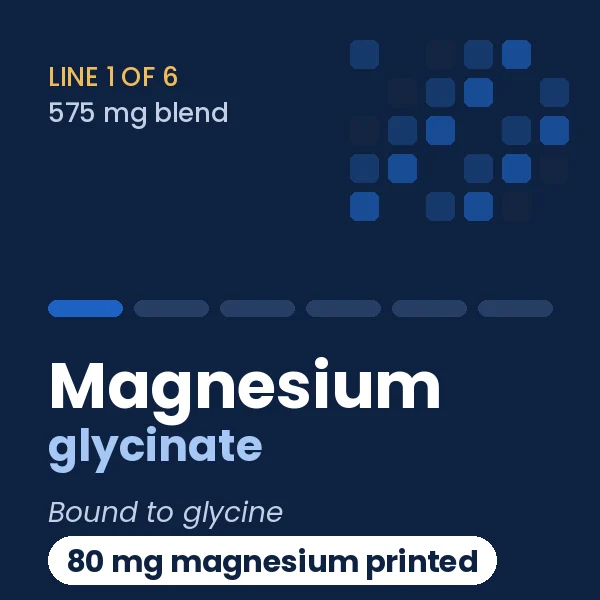
Magnesium and antibiotics can interact, because magnesium binds to some antibiotics in the gut and lowers how much gets into the blood. The Office of Dietary Supplements advises taking tetracycline and quinolone antibiotics at least 2 hours before or 4 to 6 hours after magnesium. Synaptril has 80 mg of magnesium per capsule, so the rule applies.
Written by the Synaptril label deskUpdated · 4 min read
The interaction01
Can you take magnesium with antibiotics?
You can take magnesium with antibiotics only if the doses are spaced apart, and for some antibiotics you should ask first. Magnesium binds to certain drugs in the gut and forms a compound the body absorbs poorly.
Think of the gut as a narrow door. A drug that has bound to magnesium becomes too bulky to pass through, so more of it leaves the body unused.
The result is a weaker dose of the antibiotic, which matters when you are treating an infection. The antibiotic may work less well, and the magnesium does nothing wrong. It is simply in the way.
The Office of Dietary Supplements lists this interaction for the tetracycline and quinolone families, and also for bone drugs called bisphosphonates (NIH ODS, Magnesium).
Spacing02
How far apart should magnesium and antibiotics be taken?
Take tetracycline or quinolone antibiotics at least 2 hours before magnesium, or 4 to 6 hours after it. Bisphosphonates need about 2 hours of space (NIH ODS, Magnesium).
The same rule is worth checking with a pharmacist for other drugs, because labels differ. The table sets out the spacing in one place.
| Medicine type | Spacing from magnesium |
|---|---|
| Tetracycline antibiotics | Antibiotic 2 hours before, or 4 to 6 hours after |
| Quinolone antibiotics | Antibiotic 2 hours before, or 4 to 6 hours after |
| Bisphosphonates (bone drugs) | At least 2 hours apart |
| Other medicines | Ask a pharmacist |
Spacing is general guidance, not a prescription. Your pharmacist can set exact times for your doses.
Synaptril03
Does Synaptril interact with antibiotics?
Synaptril can interact with those antibiotics, because each capsule holds 80 mg of magnesium from magnesium glycinate. That is 19% of the daily value.
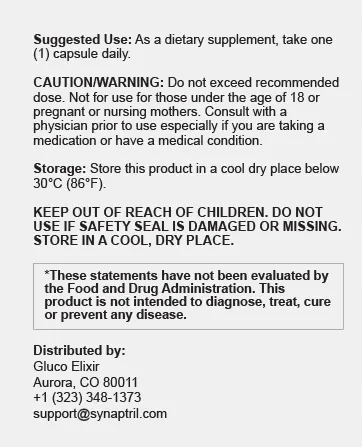
The label does not name antibiotics. It says "Consult with a physician prior to use especially if you are taking a medication or have a medical condition." That line covers this case.
Two practical points follow. First, if you start an antibiotic course, check the name with a pharmacist. Second, if it is a tetracycline or quinolone, move the capsule to the other side of the spacing window, or pause it for the course if the pharmacist agrees.
A pharmacist can often do this check in a minute at the counter. Bring the capsule bottle or a photo of the Supplement Facts panel so the name and amount are clear.
Never stop or change a prescribed medicine because of a supplement. The antibiotic comes first.

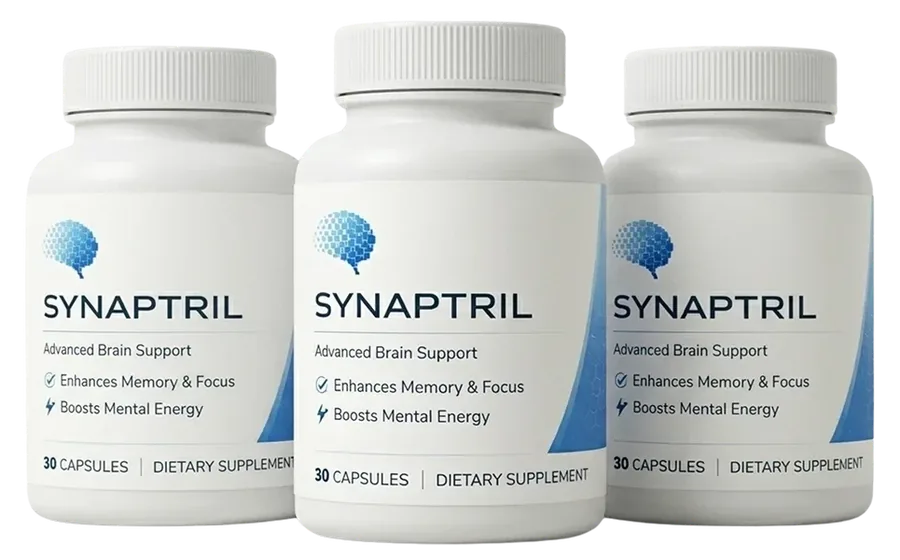
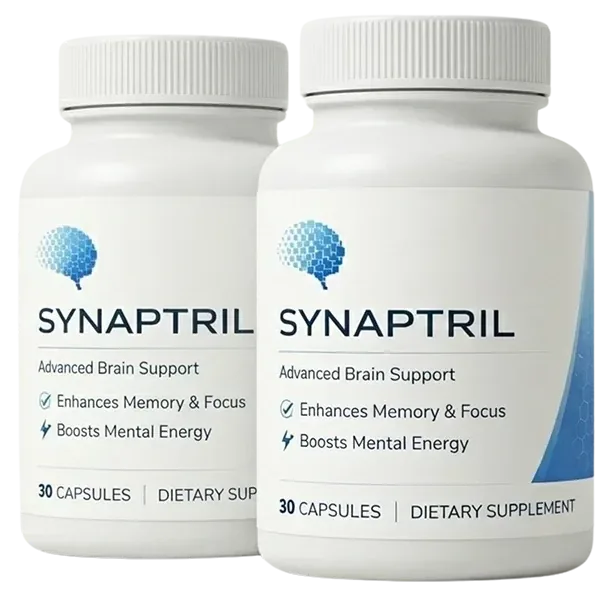
Synaptril: from $49 a bottle30 capsules · 2, 3 or 6 bottles · free shipping on 3 or 6 · 60-day money-back guarantee
See packsOther drugs04
Which other medicines does magnesium affect?
Magnesium also matters for diuretics and long-term acid reducers, which can lower the body's magnesium. Kidney disease slows its removal, so levels can climb (NIH ODS, Magnesium).
Other blend lines raise separate flags: coenzyme Q10 and turmeric for people on warfarin, and alpha-lipoic acid for people on diabetes medicine (Linus Pauling Institute, Lipoic Acid) (MSKCC, Turmeric). The supplements and medicines guide covers them one by one.
American Synaptril authorized shop
Ready to try Synaptril?
Start with a medicine check, then choose your pack. Three or six bottles cost less per bottle and ship free, and each pack comes with the 60-day money-back guarantee.
- Secure checkout
- 60-day money-back guarantee
- Ships from the U.S.
FAQ05
Magnesium and antibiotic questions
Do all antibiotics react with magnesium?
No. The documented clashes are with tetracycline and quinolone families, and some other drugs may be affected too. Many common antibiotics have no listed magnesium problem. Ask a pharmacist to check your exact drug, because names are easy to mix up.
What if I took magnesium and an antibiotic together by mistake?
Do not double the antibiotic dose. Take your next dose on schedule, space them properly from then on, and call a pharmacist if you are unsure. A single overlap is unlikely to cause harm but may lower that dose's strength.
Can I take magnesium after finishing an antibiotic course?
Yes, once the course is done, the spacing rule no longer applies. If you take other bone or acid drugs daily, those still need checking. Ask a physician before you restart any supplement after an illness.
Does food change the magnesium and antibiotic clash?
Dairy and calcium-rich foods can bind some antibiotics too, so the same spacing logic applies. The label for your antibiotic gives food rules. Follow it first, then fit the supplement around it.
Should I tell my doctor about supplements when I get an antibiotic?
Yes. List every capsule, powder and antacid, with amounts, because a prescriber cannot spot a clash they do not know about. A photo of the Supplement Facts panel is enough to start the check.
Who wrote this06
Written and reviewed by
Pages built from the label, the sales page and linked NIH, FDA, CDC, FTC and peer-reviewed sources.
Last updated . Read our editorial standards and how we check reviews. This website is run by an American Synaptril authorized shop, not by the manufacturer or the distributor. We earn money when you buy through our order links.
Keep reading
More about Synaptril
American Synaptril authorized shop
Ready to try Synaptril?
Start with a medicine check, then choose your pack. Three or six bottles cost less per bottle and ship free, and each pack comes with the 60-day money-back guarantee.
- Secure checkout
- 60-day money-back guarantee
- Ships from the U.S.