Blog · Habits
Exercise and Memory: The Habit With Better Backing Than a Pill
Exercise and memory are linked in the best-backed advice we have. A 2017 expert review found only three steps encouraging for protecting thinking skills with age: cognitive training, blood pressure control and physical activity. The CDC target is 150 minutes of activity a week plus muscle work on 2 days.
Written by the Synaptril label deskUpdated · 4 min read
The evidence01
Does exercise help memory?
Exercise is one of the few things with encouraging evidence for protecting thinking skills as we age. It is not a cure or a guarantee.
A 2017 review by the National Academies, for the AHRQ, looked at many ways to hold off cognitive decline. It found only three that were encouraging: cognitive training, blood pressure control and physical activity (NIH on NASEM 2017 dementia prevention).
The wording was careful. The panel called the evidence promising and not conclusive. Even so, it beats the case for any supplement.
The reason is simple. Movement helps blood pressure, sleep and mood, and each of those touches how clearly you think. The gains add up over years rather than weeks. That is also why a quick fix claim on a bottle deserves a raised eyebrow.
The target02
How much exercise do adults need each week?
Adults need at least 150 minutes of moderate activity a week and muscle-strengthening work on 2 days, says the CDC (CDC, Adult physical activity).
Moderate means you can talk but not sing. A brisk walk counts. So does cycling, swimming or gardening hard enough to raise your breathing.
| Day | Activity | Time |
|---|---|---|
| Mon, Wed, Fri | Brisk walk | 30 minutes |
| Tue, Thu | Strength work | 20 minutes |
| Sat | Longer walk or bike ride | 60 minutes |
That plan gives 150 minutes of aerobic work and two strength days. Start smaller if you are new to exercise, and build up.
Ten minutes three times a day counts toward the total. The CDC does not require long single sessions, so short bursts are a fair way to begin.
Fitting it in03
How can exercise fit into a daily routine?
It fits best when it is tied to something you already do. A walk after lunch or a call taken on foot makes the habit stick.
The dial shows a day that includes a walk, something new to learn and a full night, with a capsule at breakfast only if you choose to use one.
- Morning, about 8:00
One capsule with breakfast is an easy habit to keep. The label sets no time, so any fixed time works. Medicines stay on their own schedule.
- A walk, most days
Adults need at least 150 minutes of moderate activity a week, for example 30 minutes on 5 days, per the CDC.
- Something new to learn
Brain-health experts point to exercise, sleep, mental challenge and time with people, not supplements.
- Night, 7 hours or more
Adults 18-60 need 7 or more hours; enough sleep helps attention and memory, per the CDC.
Activity from CDC (CDC, Adult physical activity); sleep from CDC (CDC, About Sleep); habits from the Global Council on Brain Health (GCBH/AARP 2019, brain supplements). The capsule time is a suggestion; follow your label.
Learning something new is on the dial on purpose. Cognitive training also appeared in the expert review (NIH on NASEM 2017 dementia prevention).
Pick something that stretches you: a language, an instrument, a new route to work. Passive screen time does not do the same job.
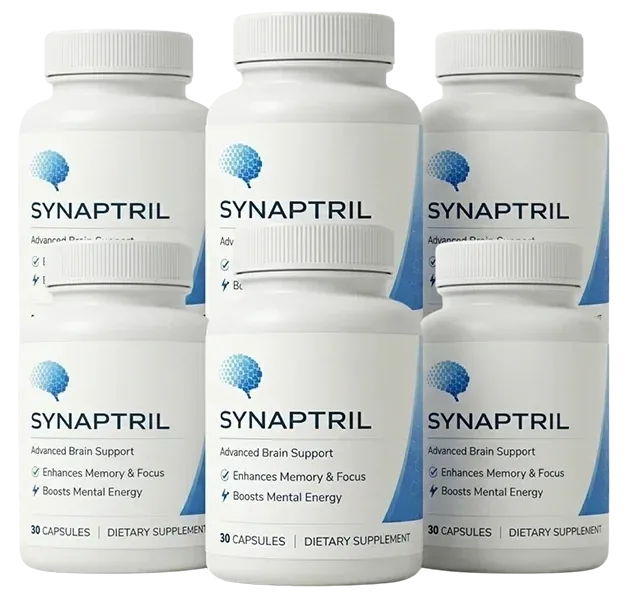
Synaptril: from $49 a bottle30 capsules · 2, 3 or 6 bottles · free shipping on 3 or 6 · 60-day money-back guarantee
See packsCompared04
Is exercise better than a memory supplement?
On the evidence we cite, yes. No brain supplement has an endorsement from the Global Council on Brain Health, and the council said habits are the better bet (GCBH/AARP 2019, brain supplements).
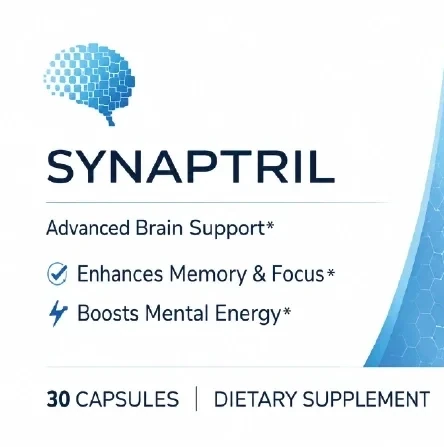
Synaptril's label claims "Advanced Brain Support", but no trial of the capsules exists. Walking has years of research behind it. The council also noted that 26% of adults 50 and older were taking a brain supplement in 2019, a sign of how many people reach for capsules before habits.
That does not make capsules wrong to try. It means they sit after sleep, movement, learning and a doctor visit if memory worries you. See memory and aging for the warning signs.
Safe start05
Who should check with a doctor before starting?
Anyone with heart disease, chest pain, dizziness or a long break from activity should ask first. Begin gently and raise the load over weeks. Stop and seek care for chest pain, fainting or sudden breathlessness.
Pick a start date and tell a friend. People who plan a specific day and time keep a new habit far more often than people who plan to "do more" someday.
If you also want to try Synaptril, keep your prescribed medicines as they are and use the 60-day guarantee as a checking window.
American Synaptril authorized shop
Ready to try Synaptril?
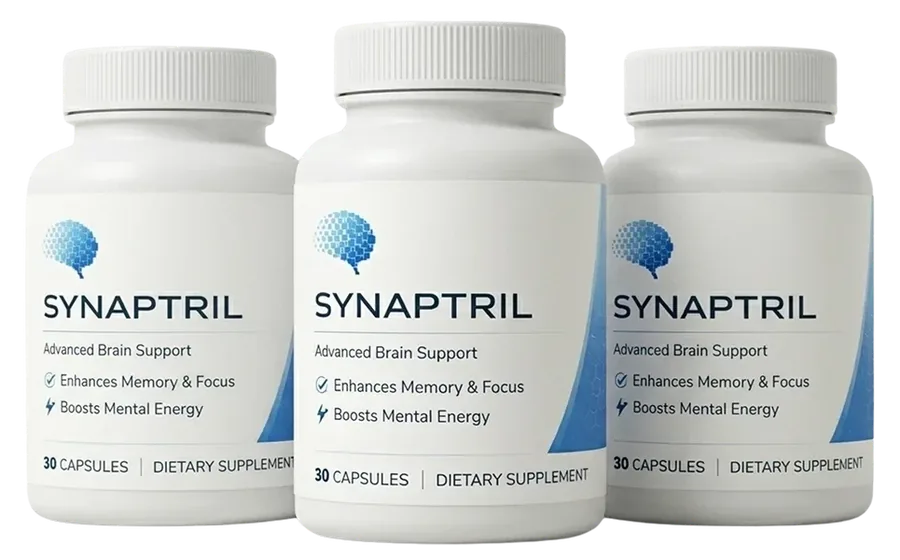
Start with a medicine check, then choose your pack. Three or six bottles cost less per bottle and ship free, and each pack comes with the 60-day money-back guarantee.
- Secure checkout
- 60-day money-back guarantee
- Ships from the U.S.
FAQ06
Exercise and memory questions
Can a short walk help my focus?
Many people report feeling more alert after a walk. Our sources do not measure this for Synaptril, but regular activity is part of the CDC advice for adults.
Is walking enough, or do I need harder workouts?
Walking counts if it is brisk enough to raise your breathing. Harder sessions can shorten the time needed, but the CDC target is met with moderate effort alone.
Should I exercise if I am on a blood thinner?
Most people can, and many are told to stay active. Ask your prescriber about contact sports or falls, since bruising and bleeding are the main concern.
How soon would exercise show up in memory?
Our sources give no set timeline. The review looked at long-term protection, not quick changes, so judge the habit over months rather than days.
Do I need a gym for strength work?
No. Body-weight moves, resistance bands or heavy household tasks count toward the two weekly strength days the CDC suggests.
Who wrote this07
Written and reviewed by
Pages built from the label, the sales page and linked NIH, FDA, CDC, FTC and peer-reviewed sources.
Last updated . Read our editorial standards and how we check reviews. This website is run by an American Synaptril authorized shop, not by the manufacturer or the distributor. We earn money when you buy through our order links.
Keep reading
More about Synaptril

American Synaptril authorized shop
Ready to try Synaptril?
Start with a medicine check, then choose your pack. Three or six bottles cost less per bottle and ship free, and each pack comes with the 60-day money-back guarantee.
- Secure checkout
- 60-day money-back guarantee
- Ships from the U.S.